%20scale(0.78)%20translate(-32%20-34)'%3e%3cpath%20d='M22%2050h20l-2.8%207H24.8L22%2050Z'%20fill='%23C4A574'/%3e%3cpath%20d='M18%2042h28l-2.2%2010H20.2L18%2042Z'%20fill='%23E0C49A'/%3e%3cpath%20d='M32.4%2023.5c-5.9%200-10.9%203.5-13.1%208.5%201.9-.8%203.8-1.2%205.8-1.2%202.4%200%204.9.6%207.3%201.9%201.9-2%204.5-3.1%207.4-3.1%202.4%200%204.7.8%206.6%202.2-1.1-4.9-4.6-8.3-8.7-8.3-1.2%200-2.4.3-3.4.7-.5-4.9-3.1-8.4-6.1-8.4-2.8%200-5.2%203.2-5.8%207.7%201.3-.6%202.6-.9%204-.9%202.5%200%204.7%201%206%202.9Z'%20fill='%236FBF86'/%3e%3cpath%20d='M21.5%2033.3c2.9-1.2%206.4-.9%2010.4.9%202.1-2.2%204.8-3.3%208.1-3.3%201.9%200%203.8.4%205.5%201.3-.6%204.4-4.8%208.2-10.1%208.2h-6.8c-4%200-6.6-2.3-7.1-7.1Z'%20fill='%2398D4A6'/%3e%3cpath%20d='M31.7%2024.6c4.1%200%206.8%202.6%207.5%207.4'%20stroke='%23F3EBDA'%20stroke-linecap='round'%20stroke-width='2.8'/%3e%3cpath%20d='M31.7%2024.6c-.1%207.9-1.7%2013.8-4.7%2017.9'%20stroke='%23F3EBDA'%20stroke-linecap='round'%20stroke-width='2.8'/%3e%3cpath%20d='M31.6%2031.2c2.2%202.6%205.1%204.1%208.8%204.5'%20stroke='%23F3EBDA'%20stroke-linecap='round'%20stroke-width='2.4'/%3e%3cpath%20d='M29.8%2035.1c-2.8%201.5-5.4%202.1-7.8%201.9'%20stroke='%23F3EBDA'%20stroke-linecap='round'%20stroke-width='2.4'/%3e%3cpath%20d='M25.3%2042c5.5-2.4%2010.7-2.4%2015.5%200'%20stroke='%23F3EBDA'%20stroke-linecap='round'%20stroke-width='2'/%3e%3c/g%3e%3c/svg%3e)
姫路 · 神戸 · 年に一度の習慣
姫路でかまぼこを作り、神戸の隠れ家カフェでコーヒーを飲む
夢前でかまぼこを作り、開店直後に海老天丼、岡本の静かな家へ。実際に乗った線の上に、その日を描いています。
- のぞみ
- 夢前へ
- 山陽本線
- のぞみ
OpenStreetMap はブラウザで読み込みます。
地図上の位置東京駅
のぞみ 下り
東京駅、そしてのぞみ
姫路には、だいたい年に一度行きます。今回の目的は、かまぼこでした。
東京駅からはのぞみです。座って、姫路で降りる。東海道・山陽新幹線の、そのままの使い方です。
夢前の開店直後
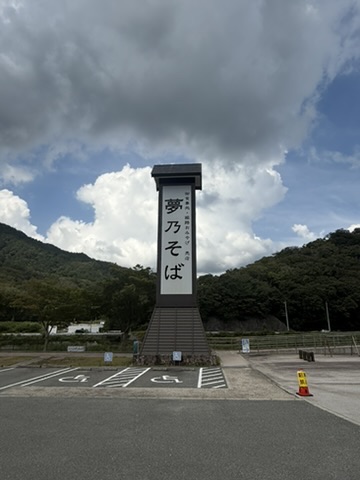
開店直後の夢乃そば
ヤマサ蒲鉾は城下町の観光エリアではなく、夢前にあります。体験の前に、すぐ近くで食べました。
夢乃そばはヤマサのそばにあるそば屋で、工場から歩いてすぐです。開店と同時に着きました。それでも列はありました。
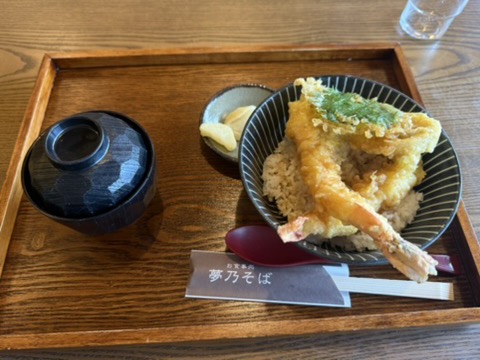
みんなそばを注文しました。私はしませんでした。海老天丼がうまそうすぎて、それを頼みました。正解でした。
夢前工場 · 1916年創業
かまぼこ作り
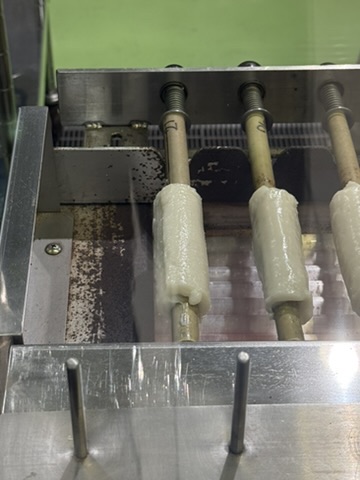
1916年からここでかまぼこを作っていて、味付けしたすり身を渡して自分で作らせてくれます。それが目的でした。子どもと妻は、日本語の説明を特に意識せずについていきました。私は精一杯ついていきました。
体験教室は、良い意味で単純です。行って、聞いて、すり身に手を入れて、自分で形をつけたかまぼことちくわを持って帰る。
説明は日本語でした。私はできるだけついていきました。二人には翻訳は要りませんでした。それが、この日の良さでもありました。家族の体験なのに、説明を追うほうが一枚多いのが自分で、誰も気にしていない。
自分で作った出来たてのかまぼこは、同じ会社の袋入りとは味が違います。厳密な検証ではありません。それでも、そう思います。
一人の日帰り
山陽本線で神戸へ
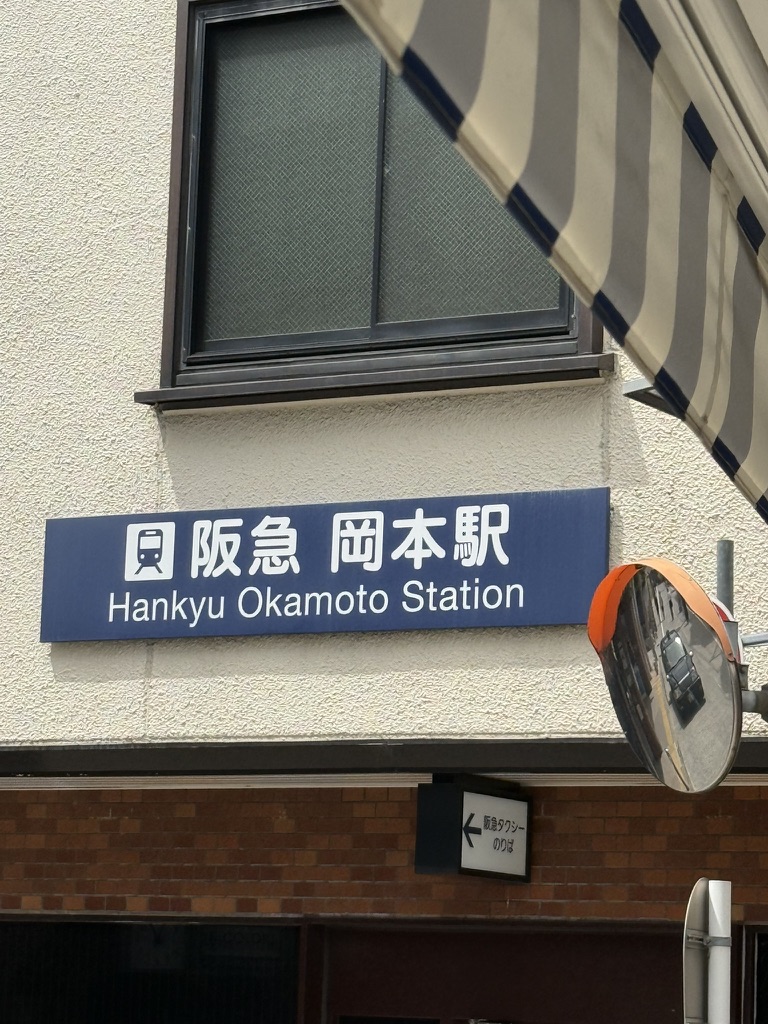
この姫路の旅行では、一日だけ一人で神戸へ出ました。山陽本線で沿岸を東へ、それから阪急で岡本です。
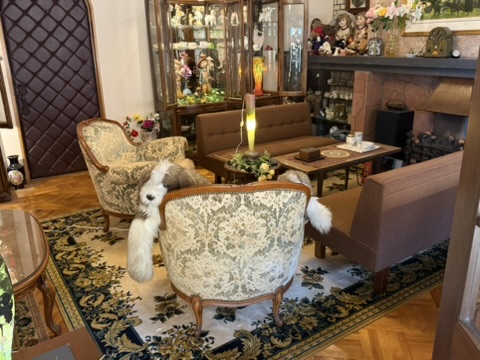
友人は以前、新宿でカフェをやっていました。今は妻と一緒に、阪急岡本駅の近くの古い家に移り住んで改装し、珈琲茶房 園田邸を開いています。建物が本体です。家に見えるのは、家だからです。内装もアンティークも自分たちで考えたもので、ヴィンテージ風を買ってきたカフェではありません。入ると、すでに暮らしのあった場所に招かれた感じがします。
コーヒーを出す家
神戸の隠れ家でコーヒー
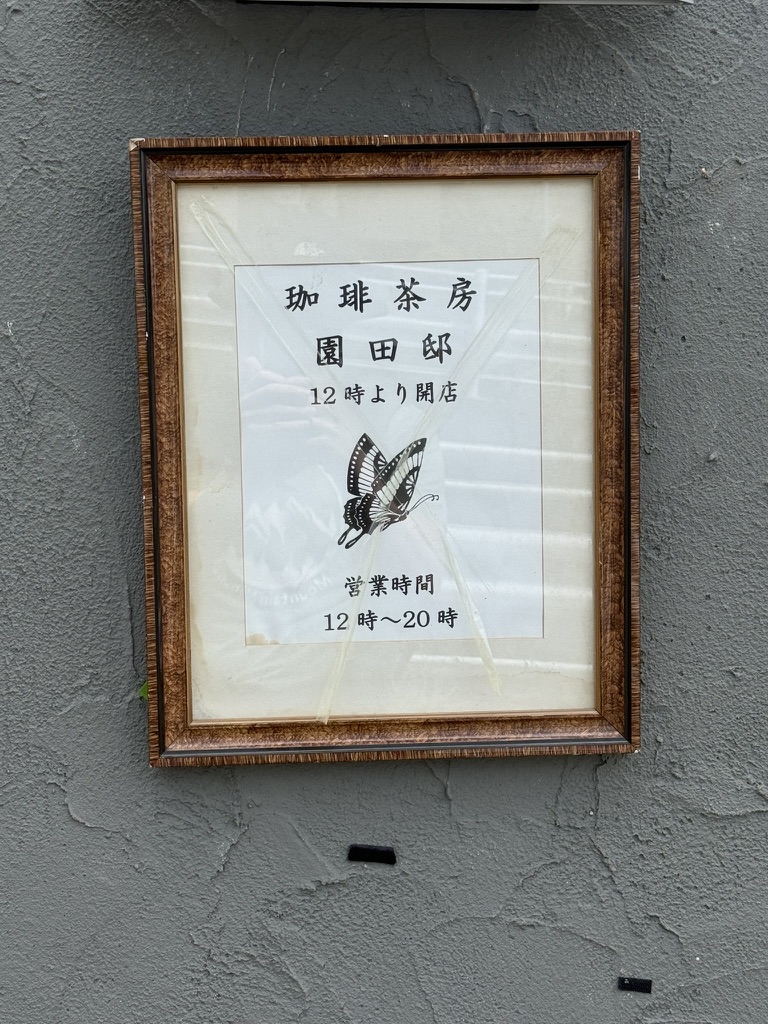
駅から歩いて 5 分から 10 分、線路の山側です。商店街に留まっていると、通り過ぎてしまいます。だから見つからない人がいるのだと思います。歩く価値はあります。壁の看板が、ここだ、と教えてくれる数少ない印です。
それからアイス珈琲です。日本一のコーヒーは、新宿から岡本へ引っ越した。
のぞみ 上り
まとめ
姫路は楽な習慣です。城を見て、駅で何か食べて、帰る。今年は手を動かしたし、コーヒーを出す家で静かな午後をもらえたので、そのほうがよかったです。
帰りも、のぞみで東京へ。